
Collectors
Primary collectors who gather scattered production and build the first lots.
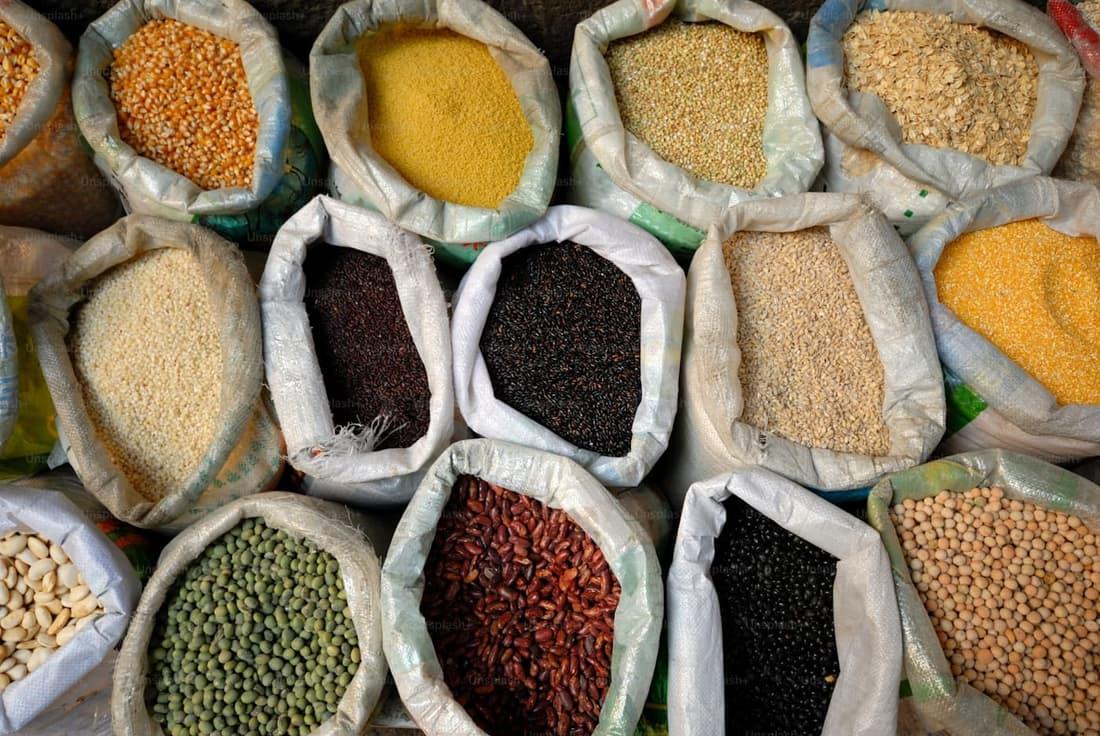
Collectors gather scattered production, weigh it, sort it and build the first lots. A discreet, decisive link: quality is won or lost with them.
- Working capital to pay producers cash.
- Heterogeneous deliveries and weighing disputes.
- Traceability demanded by premium buyers and the EUDR.
- Collection organised for supported projects: circuits, standards, documents.
- Traceability tools from the first purchase.
- Integration into contracted cooperative-buyer chains.
To wholesalers: reliable supply, at last
Your business rests on a simple equation: buying regular volumes, of consistent quality, at the right price. Yet poorly structured value chains make that equation uncertain — immobilized stock, losses on perishables, unpredictable seasonal supply.
By structuring the upstream (cooperatives, farms, contracts), XP-NOVA makes local supply more legible and more reliable for trade. Organized value chains mean wholesalers who buy with confidence.
- Upstream contracts with organized producers.
- Financing of storage and purchasing campaigns.
- Traceability and consistency of volumes.
The XP-NOVA team
The XP-NOVA offers that match you, step by step
Each offer carries its code and unfolds into the elementary services of the catalogue. The project only moves forward once the milestone is reached — start at the step you are at.
76 referenced risks, rated and tied to a control plan. These are the families of the register that touch your activity — rating your project is the object of the resilience assessment, the condition of the step 4 milestone of the cycle.
- Building a bankable file — The 7 items funders really expect — and the mistakes that get a file rejected out of hand.
- EUDR compliance for producers — The European deforestation regulation: what changes for Cameroonian cocoa, coffee and rubber.
- Quality certification checklist — GLOBALG.A.P., Organic, HACCP: where to start depending on your actor profile and your value chain.
- Structuring your financial plan — The CAPEX / OPEX / cash-flow-per-cycle method, applied to crop and livestock projects.
- Monter un dossier bancable — les 7 composantes essentielles — Ce qu'un comité de crédit attend réellement : les 7 composantes d'un dossier de financement solide.
- Guide de conformité aux exigences d'exportation — Règlement Déforestation (RDUE) Cacao & Café — Exporter vers l'UE après le RDUE : géolocalisation des parcelles, diligence raisonnée et preuves attendues.
- Fiche fiscale 2026 — Fiscalité foncière et sécurisation agricole au Cameroun — Ce que la Loi de Finances 2026 change pour vos terres : exonérations de TPF pour l'agriculture, l'élevage et la pêche, frais de bornage réduits de moitié, et l'immatriculation foncière en 4 étapes budgétées en FCFA.
- Guide 2026 des financements agricoles et agro-industriels au Cameroun — Les guichets qui financent réellement l'agriculture et l'élevage — BC-PME (FINAGRO, PIISAH), ACEFA, CamCCUL, MINADER, AFD (C2D), BAD — et la méthode pour leur présenter un dossier bancable.
- Auto-évaluation OHADA — votre GIC ou coopérative est-il éligible aux crédits ? — Grille de diagnostic en 4 domaines (structure juridique, comptabilité, gouvernance, sûretés) pour situer votre groupement face aux exigences de l'Acte Uniforme OHADA — la clé d'accès aux guichets de financement.
- The documents area — the pieces to gather, step by step, and the templates.