
12 standard pathways, a catalogue by step
The catalogue is anchored to the XP-NOVA cycle of 4 phases and 13 steps: every service attaches to a step, and every step closes on a verifiable milestone. The project only moves forward when the milestone is reached — and a milestone is only reached when its resilience condition is verified. Enter at the step you are at.
How to read this page
The catalogue follows the engineering cycle: every service belongs to an assignment step, from E0 to E6, and every step closes on a verifiable milestone paired with a resilience condition. You enter through a standard pathway or directly at the step you are at.
- A standard pathway is a selection of services ordered together: it can be extended, reduced or stopped at any milestone.
- “Mandatory step” marks a service on which the milestone of its step depends.
- No price is displayed: submission is free, the first response comes within 48 working hours, and the assignment quote follows the official opening of the file (FOD).
One logic, three readings
Everything starts from the cycle of 4 phases and 13 steps. The catalogue divides it into 7 assignment steps (E0–E6), each closed by a verifiable milestone. The 7 cycle pathways assemble the services of one step — you enter through the one that matches your situation — and the 4 cross-cutting pathways can be added at any time. The entry pathway gathers, in one engagement, the road from the idea to the bankable file.
The cycle — 4 phases, 13 steps
The catalogue — 7 mission steps, each closed by a milestone
E0Pre-qualifyE1DecideE2DesignE3FinanceE4DeliverE5OperateE6SellThe 7 cycle pathways — you pick one, the one you are at
PT-01Pre-qualifyPT-02Decide to investPT-03Design the facilityPT-04FinancePT-05Build and acceptPT-06Operate and holdPT-07Sell and get paidTwo numbering systems coexist, and they do not say the same thing: steps 1 to 13 belong to the engineering cycle; assignment steps E0 to E6 belong to the catalogue, each covering one or more cycle steps. The pathways and assignment steps in the diagram are clickable.
12 standard pathways
A pathway is not a closed package: it is a selection of catalogue services, ordered together and sequenced. Each service keeps its code, its deliverable and its unit of work — so a pathway can be extended, reduced or stopped at any milestone without renegotiating the whole.
The entry pathway — it gathers into a single file what three cycle pathways would cover
The 7 cycle pathways — you choose one, the one you are at
« Does my idea hold up? »
The pathway sheet →« Should I commit my money, and how much? »
The pathway sheet →« How do I size what I am going to build? »
The pathway sheet →« How do I obtain the money, and on what terms? »
The pathway sheet →« How do I get it built without being taken advantage of? »
The pathway sheet →« How do I run it, and keep it running? »
The pathway sheet →« How do I sell my output, and get paid? »
The pathway sheet →The 4 cross-cutting pathways — they add on, at any stage
« My file is ready. Will it pass a credit committee? »
The pathway sheet →« It is not working. Why, and what now? »
The pathway sheet →« My lender requires ESG. My value chain requires certification. »
The pathway sheet →« How do my teams become autonomous? »
The pathway sheet →File-opening fees, issuing the assignment quote, bankability, land tenure: before choosing your pathway, AGROVITA’s official FAQ answers the questions promoters ask.
Pre-qualify
« Is the idea mature, and is the site exposed? »
Covers steps 1 and 2 of the cycle →
Resilience condition: The exposure score is produced and the apparent dependencies are listed.

The 5 services of step E0
Decide
« Is the project viable, and survivable? »
Covers steps 3 and 4 of the cycle →
Resilience condition: The project risk register is rated and the blocking dependencies are named.
The 4 services of step E1
Design
« Is the solution technically and financially feasible? »
Resilience condition: The CAPEX includes a costed continuity budget; without it, the milestone is not reached.
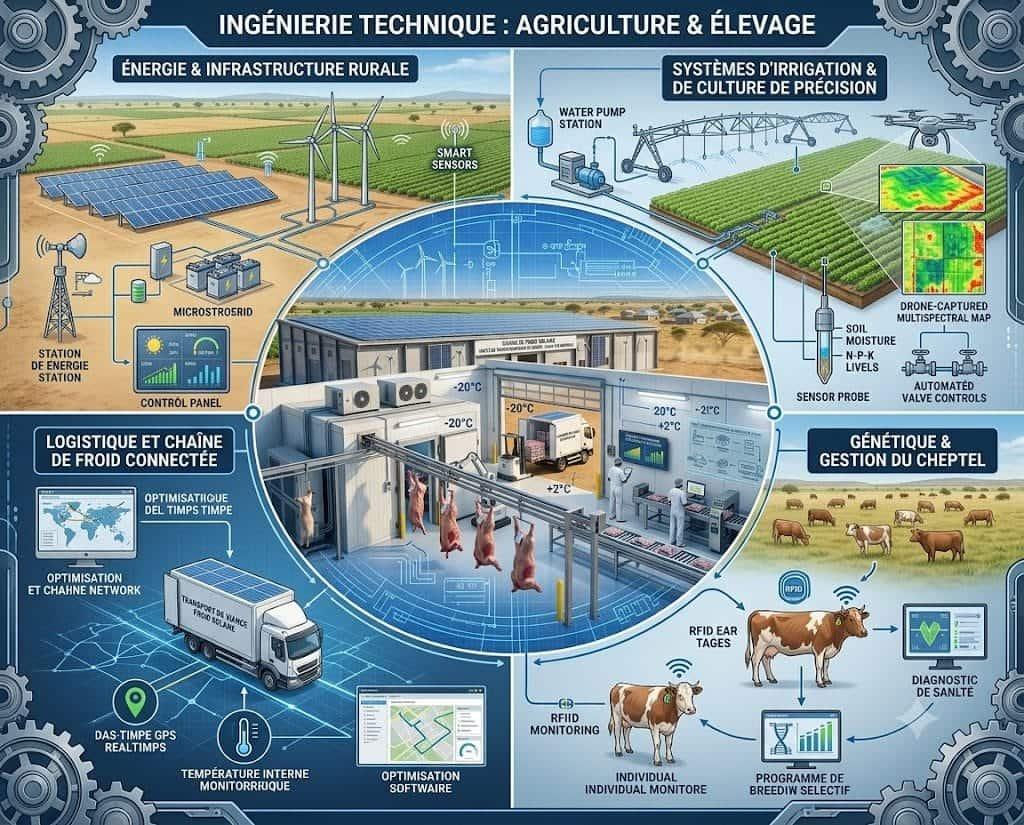
The 7 services of step E2
Finance
« Are the resources accessible, and compatible with the cycle? »
Covers steps 6 to 8 of the cycle →
Resilience condition: Every need is matched to a resource of compatible maturity and a liquidity reserve exists.
AGROBANCABLE — test the credibility of your file before you submit it. Run the diagnostic →

The 5 services of step E3
Deliver
« Is execution compliant, and does the system work? »
Resilience condition: Continuity test run under load, critical stocks built up, skills certified.
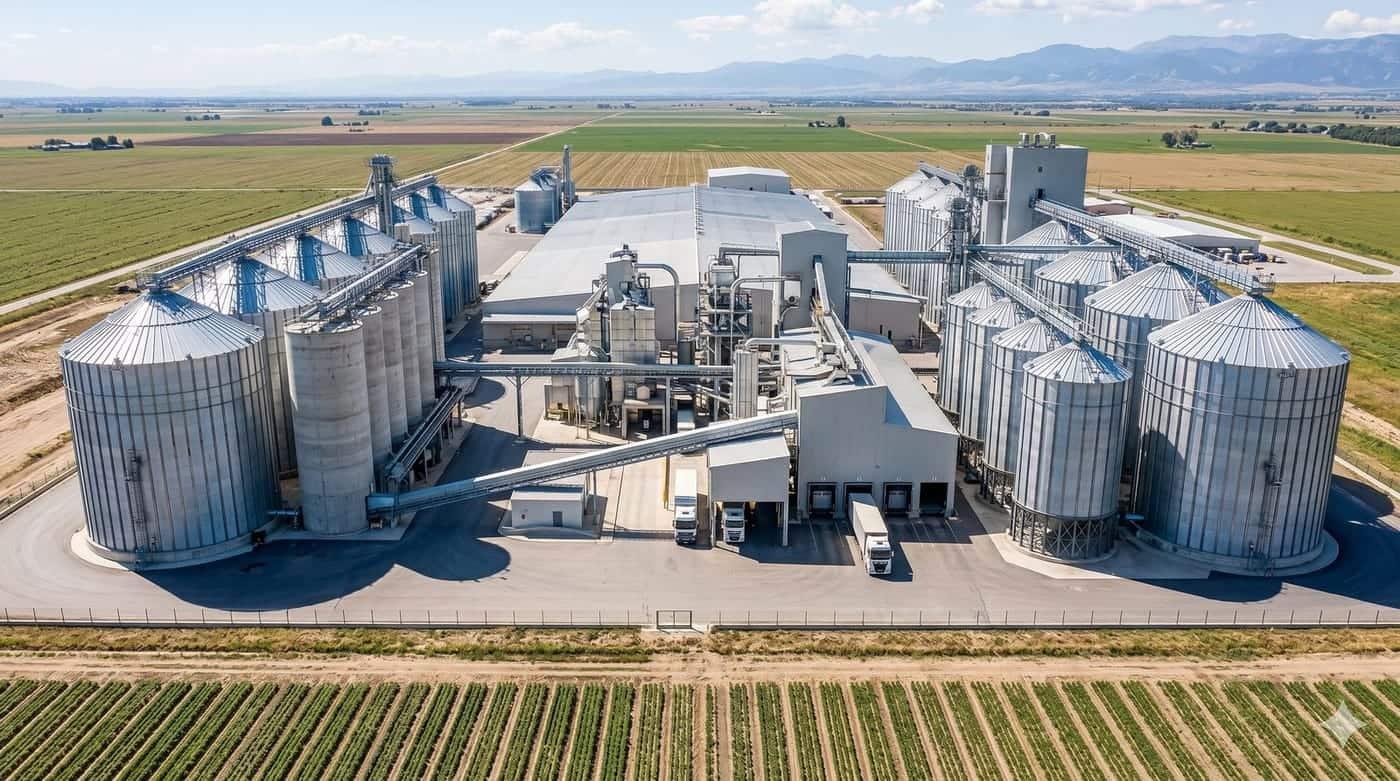
The 4 services of step E4
Operate
« Is performance on track, and are disruptions anticipated? »
Resilience condition: Leading breaking-point indicators are tracked with defined alert thresholds.
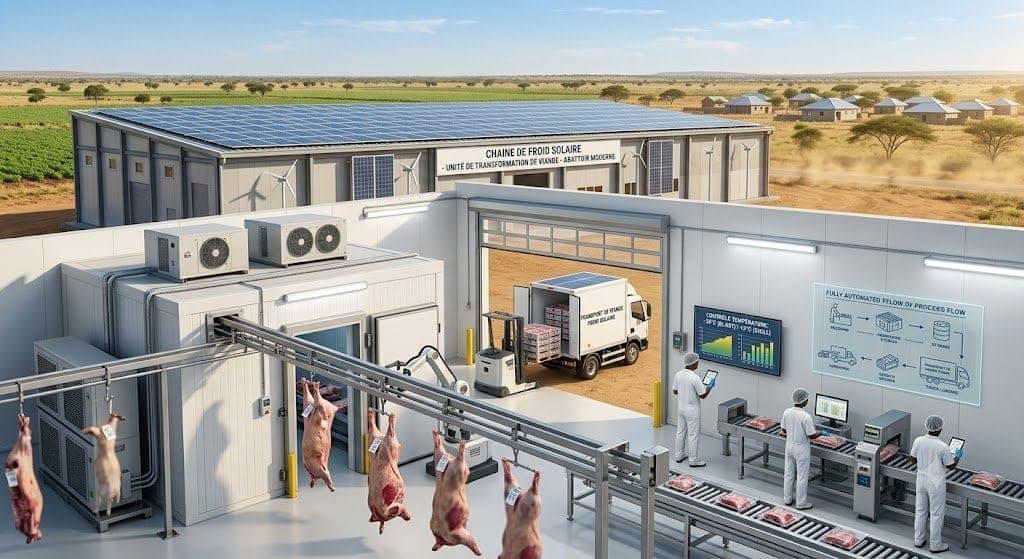
The 6 services of step E5
Sell
« Is commercialisation compliant, and is the product deliverable? »
Covers steps 11 to 13 of the cycle →
Resilience condition: The logistics corridor is qualified, documentary compliance verified, a plan B exists.
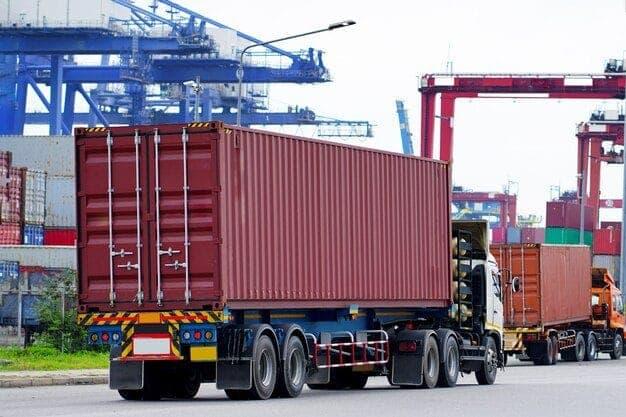
The 5 services of step E6
Enter the pathway at your step
Each step can be started independently. Submitting your request is free and without obligation, and you get a first reply within 48 working hours. The assignment quote is issued only after the official opening of the file (FOD), in FCFA, followed by the AMO or MOE agreement with its milestones and escrow.
Version 2026.6 — updated 27 August 2026