
Retail & supermarkets
Shops, mini-markets and supermarkets that bring agro-pastoral products, local and imported, within reach of the final consumer.
Definition in the architecture : Shops, mini-markets, supermarkets and hypermarkets
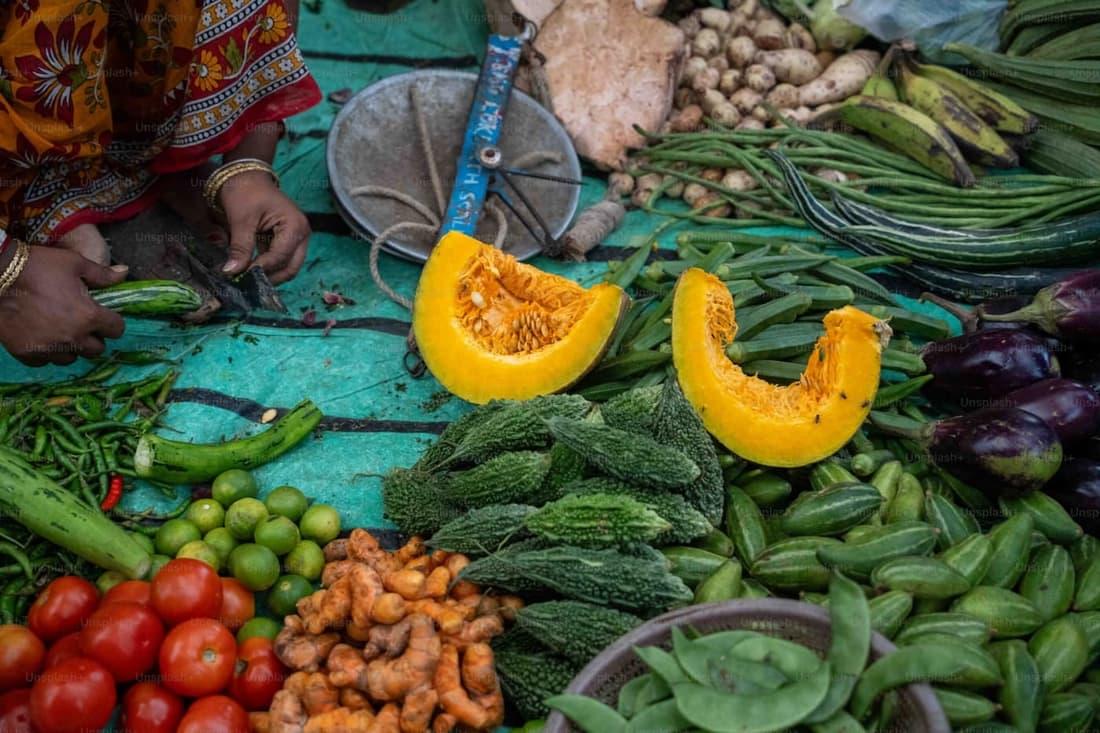
What you do
- List and sell fresh, processed and packaged food products
- Manage procurement, shelf stock and the rotation of perishable goods
- Negotiate with local suppliers and purchasing centres
- Ensure hygiene, presentation and preservation of products at the point of sale
- Develop private labels and ranges of local products
You receive goods from wholesalers, processors, purchasing centres and importers, and sell them to the final consumer. You are the last link in the chain and the first face of the market for the producer. Supermarkets impose requirements on regularity, packaging, labelling and food safety that shape the whole chain upstream. You secure the final outlet, steer demand and, through listing, unlock access to the formal market for locally processed products.
Where are you found?Modern retail is concentrated in Douala and Yaoundé, then in regional capitals such as Bafoussam, Bamenda, Buea, Garoua and Kribi. Neighbourhood shops and mini-markets cover the whole country, in urban and rural areas alike, and form the proximity network of food distribution.
Why your business matters in Cameroon and Central Africa
Modern retail is growing in Cameroon’s main cities alongside neighbourhood trade, which remains the main channel of access to food. Listing local products on the shelf is a direct lever for import substitution and for the growth of national processors. Supermarket requirements on packaging, labelling and sanitary standards pull the quality of value chains upwards. Retail is also a major urban employer and a channel for spreading food innovations to consumers across the sub-region, where Cameroonian chains are extending their footprint.
The headings that project promoters, partners and institutions look at first. Fill them in with your real orders of magnitude: this is what makes your profile usable.
- List more locally processed products that meet quality and labelling standards
- Secure regular suppliers through contracts with processors and cooperatives
- Reduce shelf losses through a better cold chain and stock management
- Rely on purchasing centres to negotiate volumes, prices and delivery calendars with suppliers
- Extend the store network to secondary cities and the sub-region
What the directory brings to your organisation
Your listing makes you visible to processors, cooperatives and wholesalers who want to place their products on your shelves.
You gain access to direct-supply, private-label and cold-chain logistics partnerships.
You plug into the food retail ecosystem of Central Africa and its regional suppliers.
Your listing in three steps
The directory is not a mere listing: each profile is positioned within the architecture (sub-domain, actor, value chain), checked by XP-NOVA, then published. You keep control of your profile after publication.
- The form
You enter your organisation, your position in the architecture — pre-filled from this page —, your value chains, your area of operation and your contact details. Your profile is created as pending and you receive your access.
Start my registration - Verification by XP-NOVA
The XP-NOVA team reviews your profile: consistency of the position in the architecture, reality of the declared activity, completeness of the information. If there is a reservation, the reason is sent to you and you can complete.
- Validation and publication
Once validated, your profile is published in the directory available to members, under your actor code. You update it from your area: contact details, logo, capacities, description.
Browse the directory
Already registered? Go to my area · DP4 DP4.A46
Markets, shops, mini-markets: retailers are the final contact with the consumer.
- Irregular supply in quality and price.
- Preservation of fresh products.
- Informal competition.
- Contracted and traceable supply.
- Local cold solutions.
- Simple digital management tools.
The XP-NOVA offers that match you, step by step
Each offer carries its code and unfolds into the elementary services of the catalogue. The project only moves forward once the milestone is reached — start at the step you are at.
44 referenced risks, rated and tied to a control plan. These are the families of the register that touch your activity — rating your project is the object of the resilience assessment, the condition of the step 4 milestone of the cycle.
- The documents area — the pieces to gather, step by step, and the templates.
Position within the architecture
Downstream — preserving and moving value
Other actors of the sub-domain — Logistics & Distribution