Testing & analysis laboratories
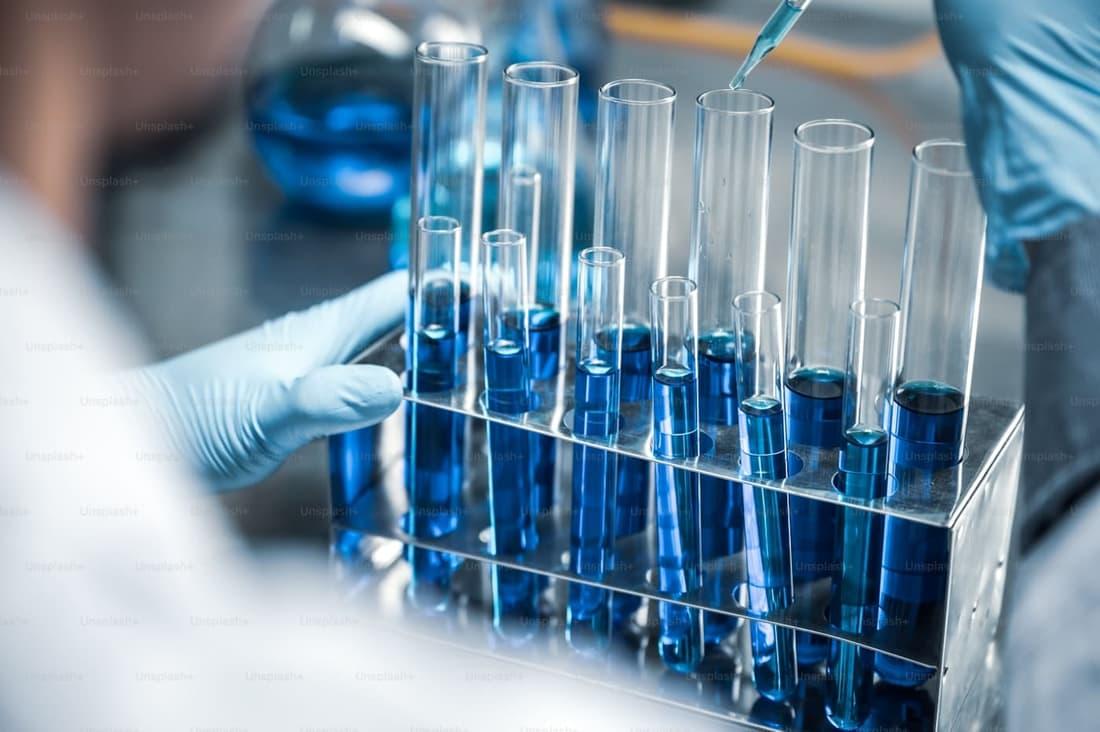
You perform the physico-chemical, microbiological and sanitary tests that prove the quality and safety of agropastoral products before they ship.
Definition in the architecture : Physico-chemical, microbiological and sanitary testing of agropastoral products
What you do
- Test for pesticide residues, heavy metals, mycotoxins and other contaminants
- Carry out microbiological checks on food, water and production surfaces
- Characterise nutritional composition and product quality parameters
- Analyse soils, irrigation water, inputs and animal feed
- Issue test reports recognised by certification bodies and buyers
You receive samples from producers, processors, exporters, inspection and certification bodies, as well as from projects and administrations. You deliver test results used to release a batch, obtain a certificate, adjust a process or meet a regulatory requirement. You secure the scientific proof of compliance and you unlock the shipment of products to markets that demand recognised analyses before entry. Your reports are the evidence on which the whole chain of certification and inspection rests.
Where are you found?Laboratories are concentrated in Yaoundé and Douala, alongside universities, research centres and exporters. Specialised units exist in Buea, Bafoussam and Ngaoundéré, close to crop and livestock production areas. They receive samples from the whole country and sometimes from neighbouring CEMAC states.
Why your business matters in Cameroon and Central Africa
Without a reliable laboratory, compliance remains a declaration. Testing and analysis laboratories give Cameroonian value chains the measurable evidence demanded by buyers, certifiers and the authorities of importing countries, particularly on residues, contaminants and microbiological risks. Their presence in Cameroon avoids sending samples abroad, shortens time to market and makes it possible to detect problems upstream, in the field or at the factory. They protect local consumers, strengthen the credibility of Central African products and help build a national quality infrastructure recognised by trading partners.
The headings that project promoters, partners and institutions look at first. Fill them in with your real orders of magnitude: this is what makes your profile usable.
- Obtaining and maintaining accreditations recognised by export markets
- Cutting analysis lead times and costs for cooperatives and small processing businesses
- Working with certifiers and inspectors to assemble complete compliance files
- Keeping pace with changing regulatory limits and required test methods
- Securing the supply of reagents and the maintenance of analytical equipment
What the directory brings to your organisation
Your listing presents your analyses and accreditations to the exporters, processors and certifiers seeking a recognised laboratory in Cameroon.
You gain access to quality-strengthening programmes, value-chain projects and control bodies looking for an analytical partner.
You join the quality infrastructure of Central Africa, on which access of regional products to demanding markets depends.
Your listing in three steps
The directory is not a mere listing: each profile is positioned within the architecture (sub-domain, actor, value chain), checked by XP-NOVA, then published. You keep control of your profile after publication.
- The form
You enter your organisation, your position in the architecture — pre-filled from this page —, your value chains, your area of operation and your contact details. Your profile is created as pending and you receive your access.
Start my registration - Verification by XP-NOVA
The XP-NOVA team reviews your profile: consistency of the position in the architecture, reality of the declared activity, completeness of the information. If there is a reservation, the reason is sent to you and you can complete.
- Validation and publication
Once validated, your profile is published in the directory available to members, under your actor code. You update it from your area: contact details, logo, capacities, description.
Browse the directory
Already registered? Go to my area · DADX.F5 DADX.F5.A102
They analyze soils, waters, feed and products: the scientific proof of the value chains' quality.
- Costly equipment and accreditations.
- Regular analysis volume to secure.
- Sample logistics.
- Systematic integration into projects (planned analyses).
- Framework contracts with value chains and exporters.
- Support for accreditation (ISO 17025).
The XP-NOVA offers that match you, step by step
Engineering offers are addressed to promoters. Your place is in the actors directory and the partner referencing: that is where promoters find you.
Position within the architecture
Cross-cutting support — certification, quality control and export compliance
Other actors of the sub-domain — Compliance